5 Signs You’re Watching Propaganda
Why Fascists Love Stories That Hate Them
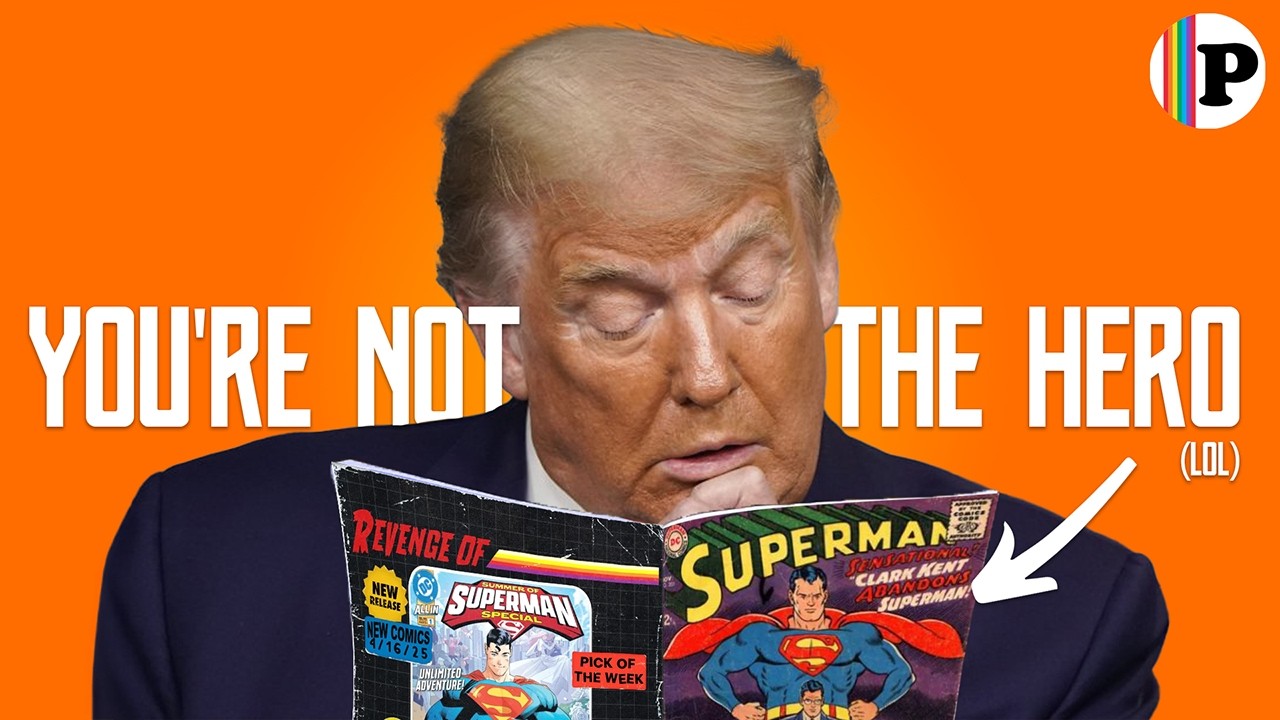
In this video essay, we dive into media literacy and media studies to explore why audiences can watch the exact same story and walk away with completely different interpretations. Through franchises like Superman, Star Wars, and Star Trek, we examine how storytelling, ideology, and audience interpretation interact, and why some of the most openly anti-authoritarian stories in popular culture continue to be embraced, or rejected, by different viewers.
Along the way, we’ll explore Stuart Hall’s Encoding/Decoding model, Reception Theory, Cultivation Theory, and the ways media shape public perception over time. We’ll also look at the work of Gene Roddenberry and George Lucas, the evolution of the Man of Steel from his earliest comics to James Gunn’s Superman, and how ideas about empathy, representation, power, and heroism continue to influence modern political and cultural debates.
Whether you’re interested in Superman, Star Trek, Star Wars, media literacy, communication theory, film analysis, pop culture, storytelling, media studies, political communication, or the relationship between entertainment and society, this video explores how the stories we love don’t just reflect culture, they help shape it.